If we break the barrier of Earth’s gravity, do we also break the barriers between our civilizations?
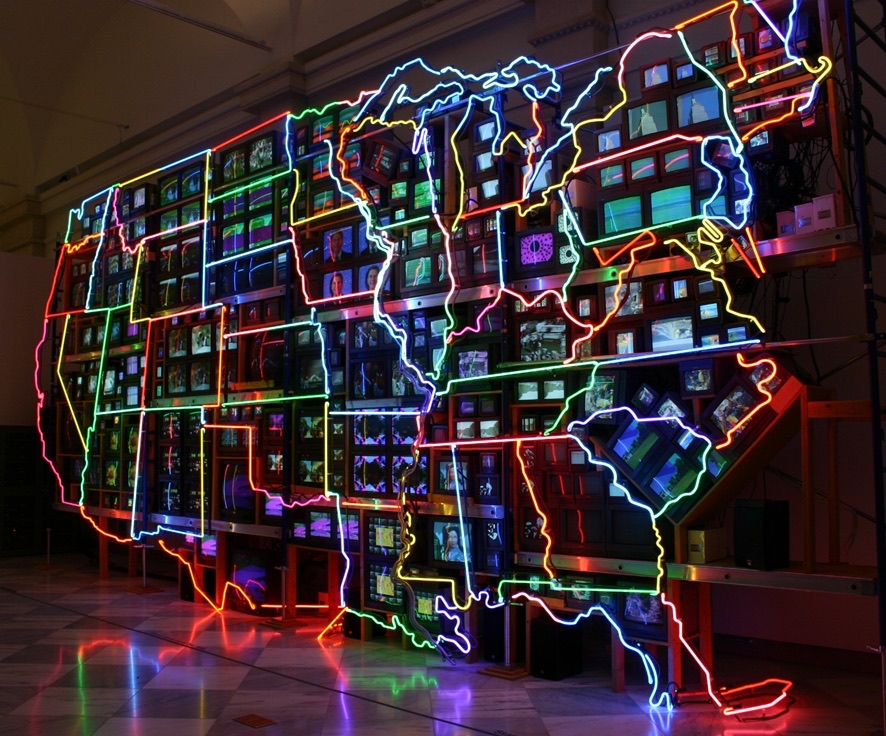
Nam June Paik’s "Electronic Superhighway" was a prophecy of a borderless world, one where invisible signals would dissolve geographic and political divides. As an Astronautical Engineering student, I recognize that this highway is not merely a digital construct—it is an orbital one. If Paik’s signals are the lifeblood of global connectivity, then propulsion systems and orbital trajectories are the essential arteries.
However, the space industry stands at a critical crossroads between two divergent developmental models. The first is a zero-sum, military-centric approach that prioritizes defensive exclusion and secrecy. This "extractive" model is inherently self-limiting; by treating Earth’s orbit as a theater for conflict rather than a shared resource, we risk the "Kessler Syndrome"—a cascade of debris that could render the orbital plane unusable for generations.
Realizing Paik’s vision requires a shift toward collaborative astronautical egalitarianism. When we optimize propulsion not for combat maneuvers, but for climate monitoring, universal telecommunications, and deep-space exploration, we protect the long-term viability of the entire sector. By aligning my engineering mission with this framework, I am working to ensure that the "Electronic Superhighway" remains open. We must break the barrier of Earth's gravity not to export our conflicts, but to build a technological architecture that necessitates global empathy.
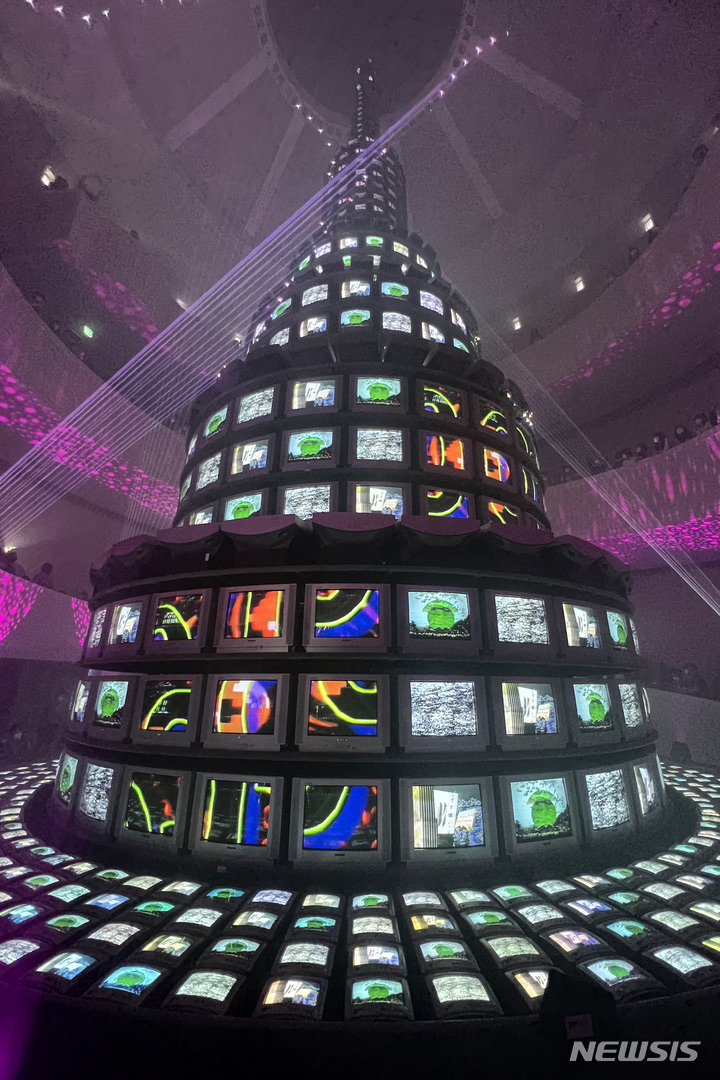
HEIGHT: 18.5 METERS
SIGNAL: MULTI-CHANNEL VESTIGE
STATUS: RESTORED_2022
In The More The Better, complexity results in beauty. For an engineer mapping trajectories, this tower represents a physical manifestation of a hyper-connected society.
KWANYOUNG PARK // MISSION CONTROL